

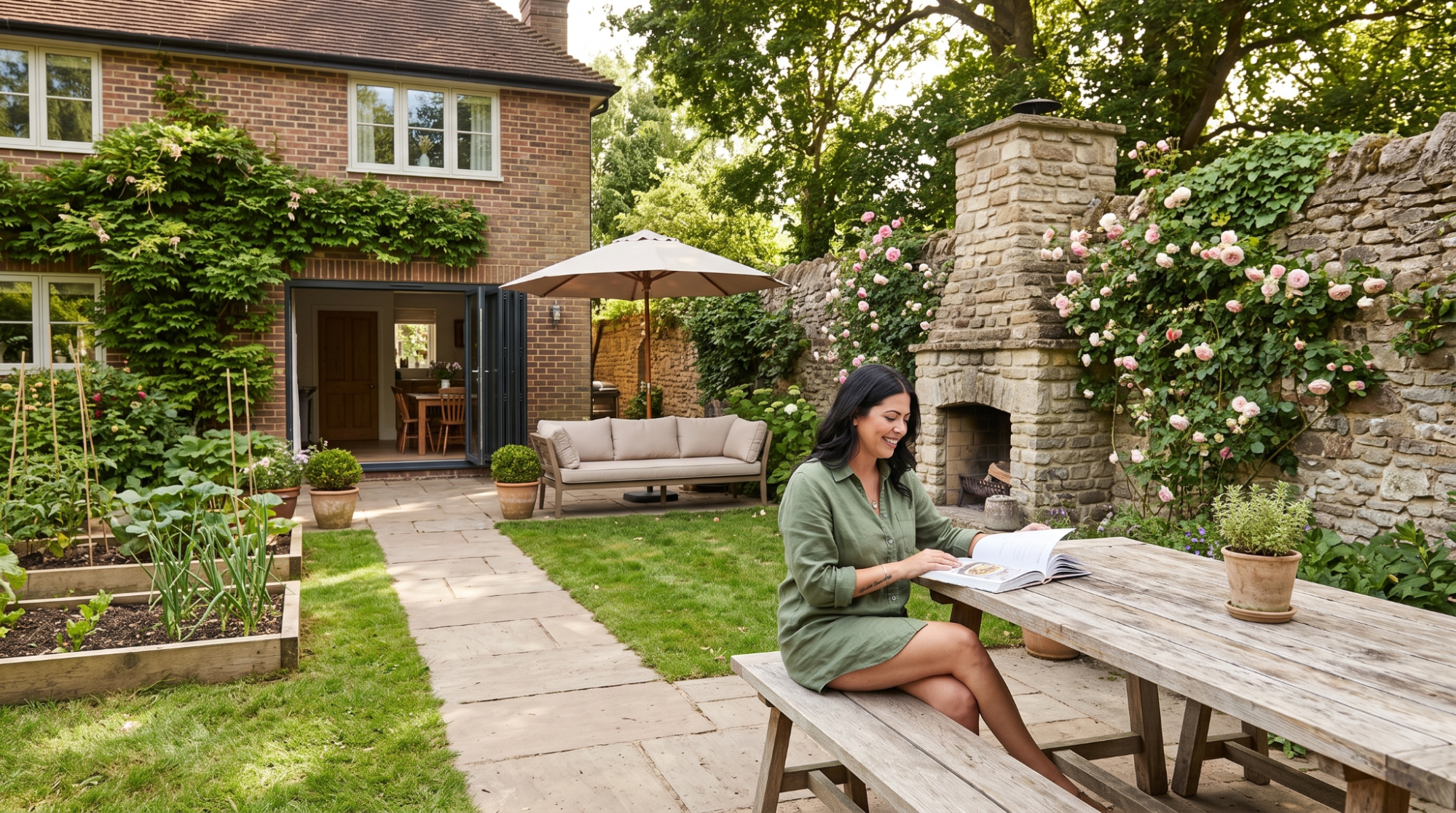
Having a lawn and a shed in your garden might seem practical, but it usually leaves valuable space underused. That space can provide far more value all year long. Many homeowners in the UK now see their gardens as part of their living space rather than storage.
According to Argos, 55% of adults in the UK have already divided their outdoor areas into different sections, or are planning to. Since moving house is prohibitively expensive, creating more functional living space within an existing property is a smart alternative.
Adding a garden room, workshop, or home office offers additional living space without requiring a full house extension. This versatile setup supports everything from enjoying a morning coffee outside to focusing in a quiet work area.
At Bespoke Home Improvements, we combine expert renovation services with practical advice to help you create a home that is as functional as it is beautiful.
What Makes a Garden Space Work Well?
Simply adding a bench or a fire pit to your garden will not instantly turn it into another enjoyable living space. To make the most of your garden, it is important to have a plan. Consider how you want to use the area and how it fits in with your home. If you rush into buying furniture, you might create a space you rarely use.
Steps to Transform Garden Into Functional Home Extension
To make a garden a space you use every day, making a few key decisions in the right order ensures long-term success:
Step 1: Map Out Your Zones First
Take some time to look at your garden at different times during the day. Notice where the sunlight hits and which spots stay cool and damp. Before you start planting or even building, think about where you want to set up spaces for eating, working, relaxing, or storing things. Creating clear pathways from your back door to each area will help you move around easily, even when it’s wet outside.
Step 2: Choose Structures That Earn Their Keep
A summer house, workshop, or garage can be a useful addition to your garden for a long time, unlike a gazebo. Additionally, a sturdy wooden structure will last longer than a cheaper kit when faced with the British weather. Choosing the right wooden structure at the start will make the whole project run more smoothly.
Consulting specialist builders; such as the team at https://elfords.co.uk/; helps ensure the summer house, workshop, or garage is positioned to account for garden layout, natural light, and long-term use. Talking through these details early helps you avoid buildings that are too big, doors that are in the wrong place, or a roof that cannot handle heavy rain.
Step 3: Get the Groundwork Right
With a 2026 Hobbs Independent report finding that online searches for garden rooms increased by 27% over the past year, more homeowners than ever are looking to add outdoor space. However, not building a proper base is the biggest mistake people make with garden rooms, as many focus purely on the final look without planning for essential groundwork. A strong, flat foundation with good drainage prevents moisture problems and stops the building from sinking later on.
Step 4: Add Power, Light and Water
A garden room can be so much more than just a simple shed if it has electricity. Adding power allows for bright lighting, ambient heating, and essential sockets for laptops, kettles, or hobby equipment. It is important to have a trained electrician handle any electrical work outside to ensure everything is safe and properly set up. For a visual representation, explore this guide that demonstrates how to safely set up electrical runs, outlets, and lighting fixtures in a garden room or workshop:
Step 5: Furnish and Finish for Daily Use
Finishing and furnishing the interior is where the space truly comes together. Start with comfortable seating, gentle lighting, and a good rug to make the area inviting. If it’s cold outside, adding a small heater or a wood stove keeps the space warm, allowing you to enjoy it comfortably throughout winter and the cooler months. With a fresh cup of coffee in hand and the soothing sound of rain falling on the roof, this area will genuinely feel like an extension of your home.
Conclusion
A well-planned garden adds space, value, and everyday functionality to a home without the cost of an extension. By focusing on planning areas, choosing durable structures, preparing the ground, and creating a comfortable environment, an underused garden easily becomes a place to enjoy daily. Start with one area, get it right, then expand from there. For more insights, contact us at Bespoke Home Improvements now.

